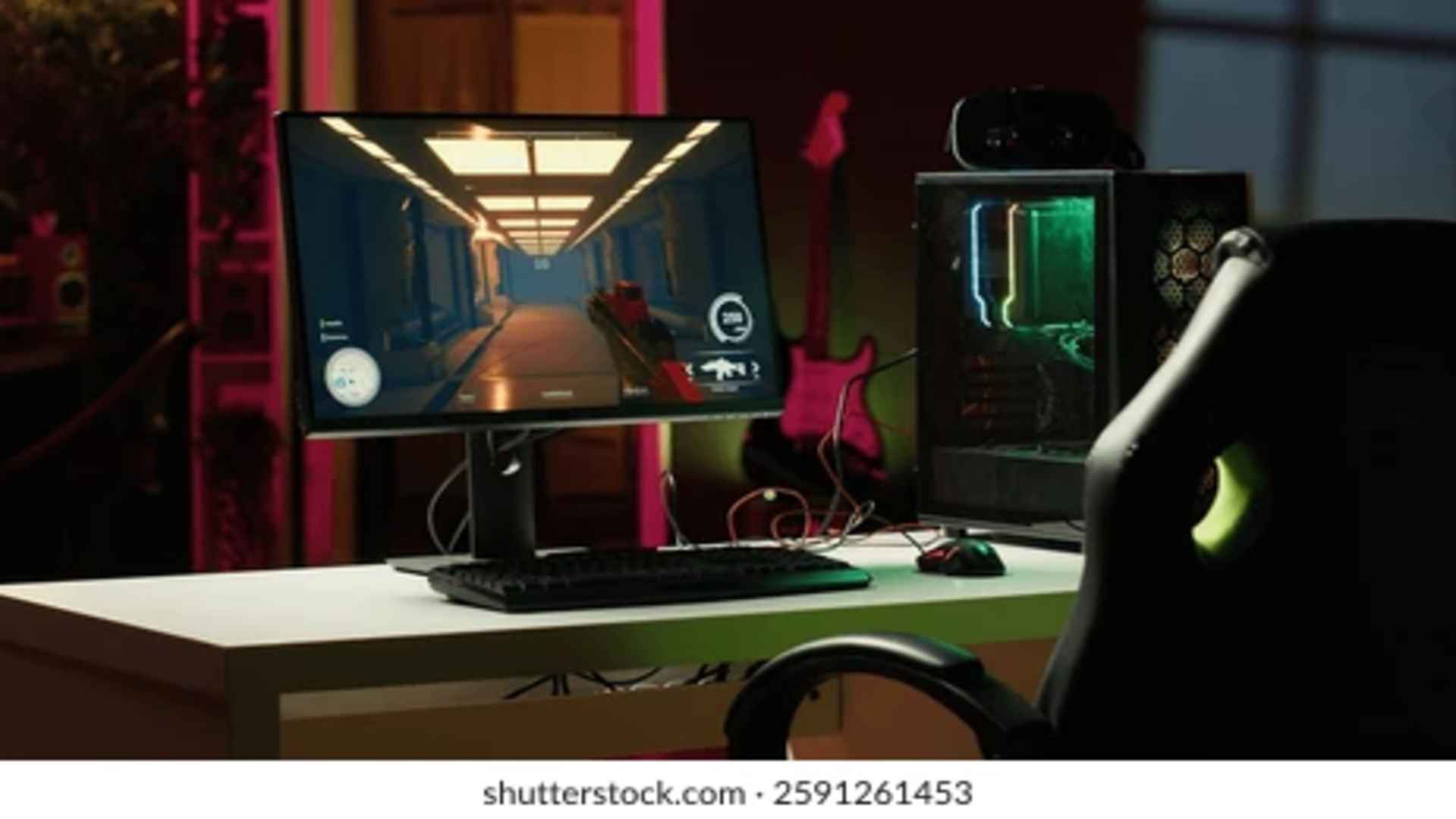
The relationship between user interface layout and final user happiness is a central focus for modern software creators. When digital environments are crafted with careful attention to human behavior, users can engage with their favorite interactive systems smoothly and without unexpected technical confusion. Building an application that balances aesthetic appeal with operational stability directly alters how people feel during extended gaming or interaction sessions.
The Core Impact of Navigational Simplicity
An intuitive system layout acts as the backbone of overall user engagement by guiding individuals through content seamlessly. When developers simplify complex menus and organize distinct features logically, they significantly reduce the cognitive effort required to utilize the system. Eliminating unnecessary steps or hidden configurations lowers frustration and builds strong long-term user retention.
Furthermore, straightforward movement structures prevent accidental inputs or misclicks during critical periods of activity. Providing prominent options and keeping important commands within easy reach ensures that users remain relaxed and fully focused on their personal goals. A highly responsive framework transforms an average session into a smooth, satisfying journey.
Minimizing Cognitive Load for Better Focus
Cognitive load refers to the total amount of mental energy needed to comprehend and interact with a virtual interface. Premium applications prioritize clear visual presentations, clean spacing, and minimal distractions to keep the working memory from becoming overwhelmed. Making interactive systems obvious and predictable ensures that individuals can learn the environment rapidly without extensive training.
When software design limits decision fatigue, users naturally stay connected and explore more sections over time. For example, individuals evaluating online interactive options often seek platforms with smooth transitions and reliable layouts. Checking modern performance metrics via resources like link m88 allows enthusiasts to identify responsive systems that accommodate their personal computing preferences without lag.
Visual Ergonomics and Device Adaptability
The visual arrangement of text, colors, and interactive assets plays a massive role in creating positive emotional connections with a product. Utilizing professional graphic design guidelines ensures that essential information stands out naturally without causing eye strain. Balancing dark and light elements according to real-world usage habits helps preserve user comfort during prolonged interactions.
Additionally, modern applications must adapt perfectly to diverse display dimensions and hardware configurations. Since many users routinely shift between expansive desktop screens and compact smartphone layouts, responsive design elements are absolutely vital. Flexible scaling allows menus and controls to remain highly usable regardless of the hardware environment chosen.
Maintaining Long Term Satisfaction Through Updates
Continuous system refinement and regular optimization loops are necessary to ensure that an application remains valuable over time. Software development teams must constantly listen to active user feedback to pinpoint hidden performance bottlenecks or confusing layout choices. Addressing technical flaws quickly builds consumer confidence and reinforces platform credibility in a competitive global marketplace.
Ultimately, a perfect balance of stunning visuals and reliable backend operations shapes how people perceive a digital brand. When system stability is paired with thoughtful interaction design, users feel respected and fully supported throughout their sessions. Investing heavily in user-centered architecture is the most dependable path to achieving lasting consumer loyalty.