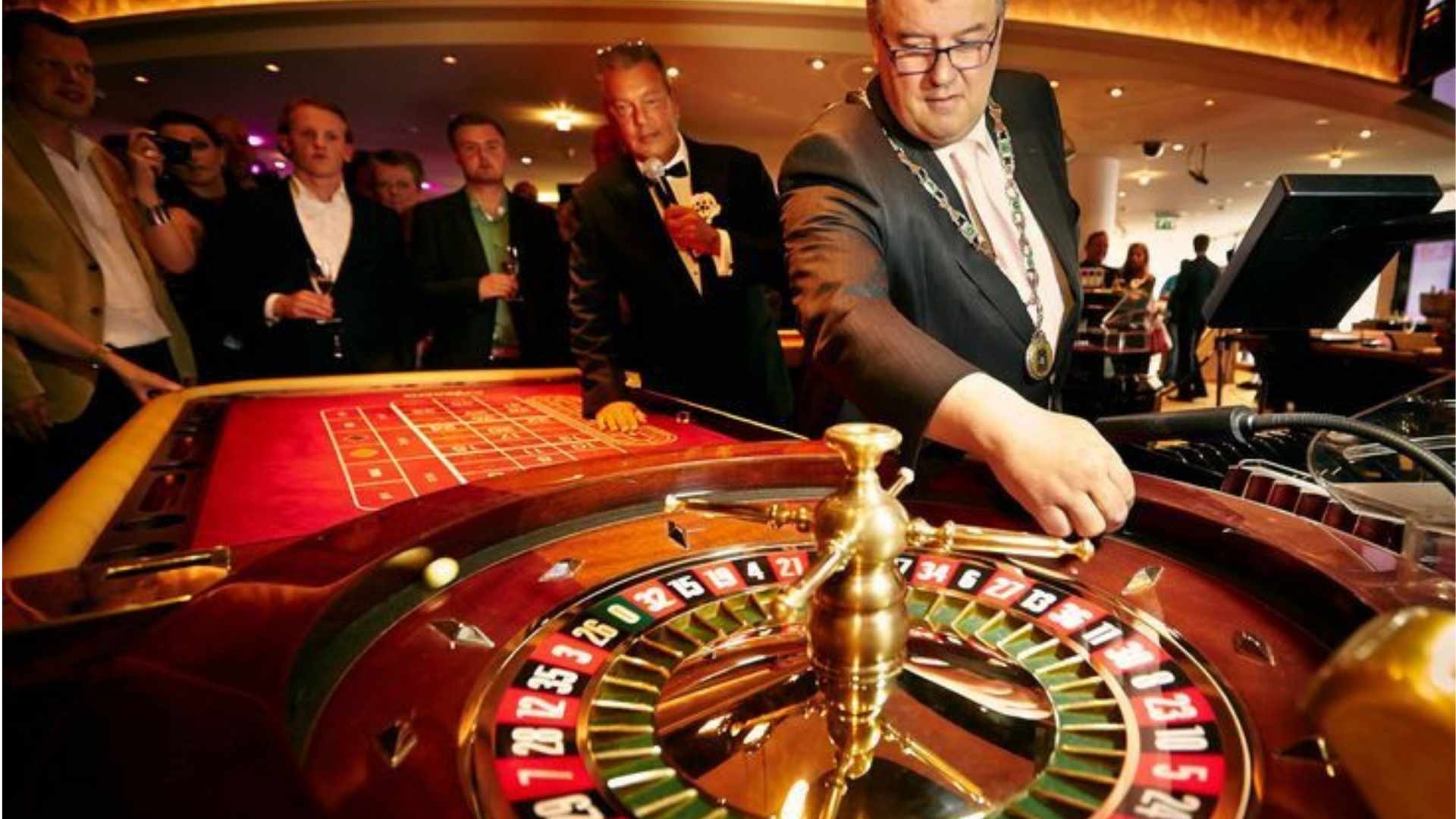
The global journey of baccarat spans several centuries, tracing its origins from secretive European salons to the flashing lights of modern digital casino platforms. Throughout this transformation, the layout of the baccarat table and its structural rules have adapted continuously to meet changing cultural tastes. By exploring how these setups evolved, card enthusiasts can better appreciate the strategic depth and structural variety available to players around the world today.
The European Roots of Aristocratic Gaming
In its earliest formats, baccarat was a highly social, slow-paced game played primarily by wealthy European aristocrats in private salons. The classic table setup was designed to accommodate extensive interaction, allowing players to actively challenge each other rather than competing directly against the house bank. This specific community dynamic required substantial financial setups and formal table management by seasoned dealers.
As the game migrated across regions, these traditional layouts laid the foundation for highly structured variations that prioritized player decision-making. The physical setup often mirrored the elegance of grand salons, utilizing oversized layouts where participants took turns holding the shoe and distributing cards. This historical framework established the formal reputation that baccarat continues to carry into contemporary gaming circles.
The Transition to American-Style Casino Layouts
When the classic card game arrived in the vibrant gaming centers of North America, casino operators introduced crucial structural changes to improve table efficiency. The resulting format, known broadly as Punto Banco, transitioned the banking responsibilities permanently to the casino house itself. This structural shift eliminated complex player negotiations and allowed dealers to manage every hand according to fixed regulatory guidelines.
The physical table design adapted to this fast-paced structure by accommodating large crowds while keeping all card handling centralized in the hands of casino professionals. Players interested in experiencing these modern configurations can seamlessly access verified digital gaming networks through the ทางเข้าเล่น m88 platform. This structural adaptation ensured that baccarat could thrive within high-volume commercial gaming environments without losing its sophisticated aura.
The Rise of Streamlined and High-Speed Formats
In response to changing consumer preferences for quicker sessions and lower stakes, the gaming industry eventually introduced compact table variations. Mini baccarat removed the formal ceremonies associated with traditional card handling, utilizing a much smaller table layout that allowed a single dealer to manage all operations. This change significantly increased the number of rounds completed per hour, appealing to casual players looking for modern convenience.
These streamlined tables lowered the traditional barriers of entry, making the game accessible to a broader audience of table game enthusiasts worldwide. By simplifying the physical footprint and accelerating card distribution, operators successfully integrated classic baccarat principles into the rapid flow of contemporary casino environments. Today, these high-speed variations coexist with traditional live formats to offer an inclusive spectrum of entertainment choices.